AI SRE agent testing
AI SRE fleet management with guardrails
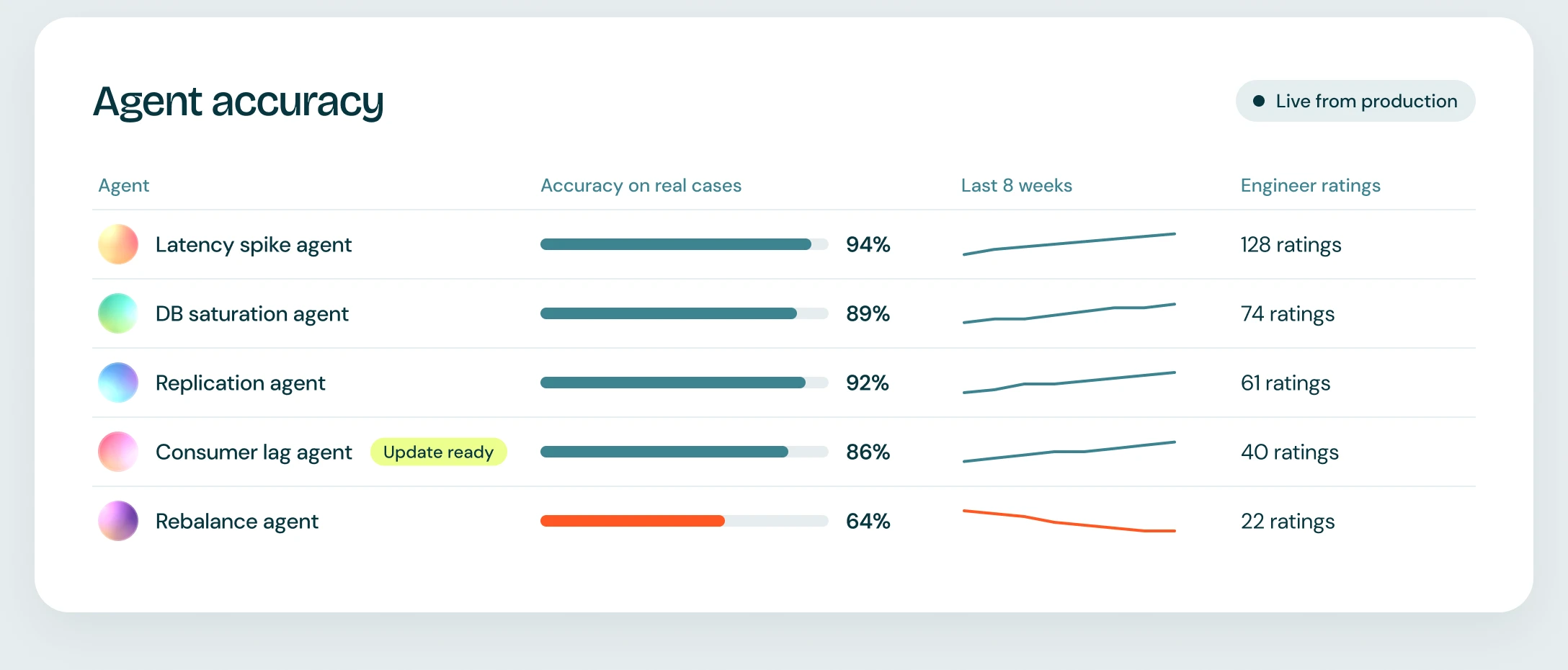
Wild Moose scores each agent’s investigations on alerts your team already solved. You see every agent’s accuracy and decide which changes go live.
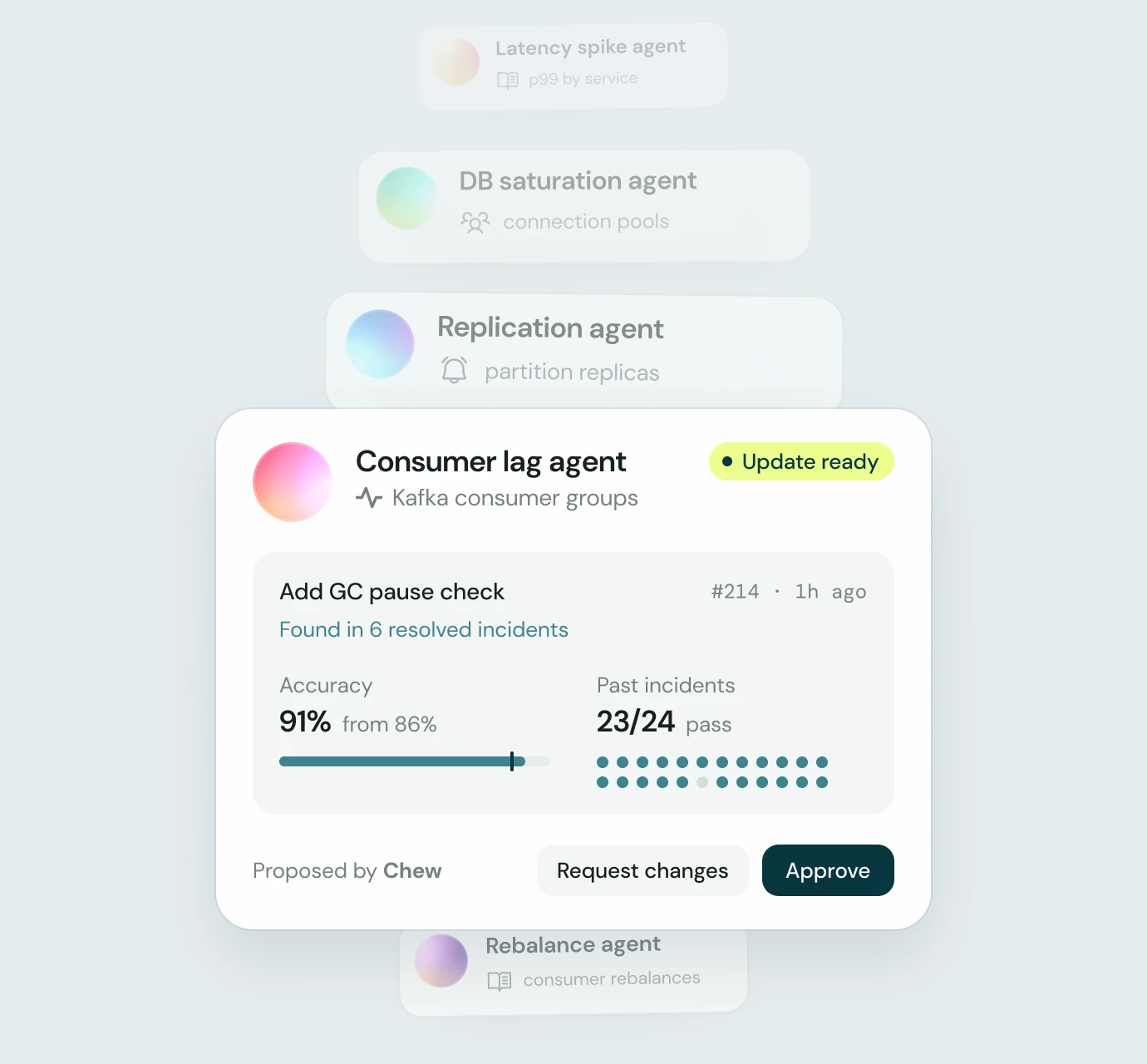


Know how accurate and effective each agent is
Each agent is scored on real cases your engineers resolved, so you see what changed before you approve it.
Agents that stay up to date
Wild Moose tests each agent on your past incidents, and every change goes through a pull request your team approves.

Gated releases
Configure each agent and manage every change to it with version control.

Self-building test cases
Ground truth continuously comes from how your engineers resolved past incidents.

Agent observability
See how each agent performed on every past incident, and every new one.

Regression testing
When agents evolve, past cases rerun to catch accuracy drift before release.

Living playbooks
Investigation paths proven on real cases and kept current as systems change.

Hands-on control
Customize agent logic as code, as deeply as your team wants.

“What we wanted was a tool that could act like an engineer: precise, consistent, and actionable. It needed to learn from our subject matter expertise and guide next steps automatically.”

Joe Danford
SVP of Cloud Operations, Redis
>90%
Match with Redis engineers’ conclusions
300
Issues scored by Redis engineers
Each fix is checked against past incidents before it ships
A new signal comes in, the outcome is recorded, the fix is tested against past cases, and the updated agent is published after review.
Finally, an AI SRE you can predict and control
Costs don't climb with alert volume, and agents stay current through changes your team approves.

Investigations built for your stack
Each micro-agent is code for one kind of alert. Most steps are fixed and cost nothing.
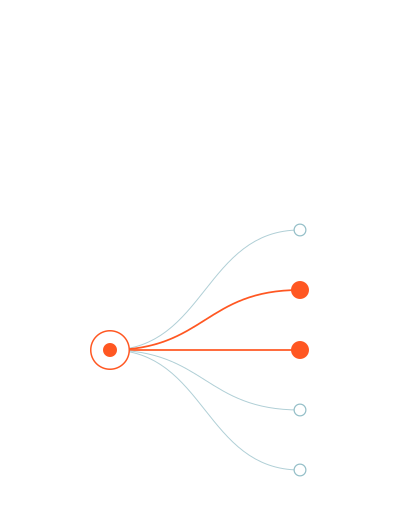
Precise routing to the right agents
The Orchestrator picks the micro-agents that fit the issue and runs them in parallel.
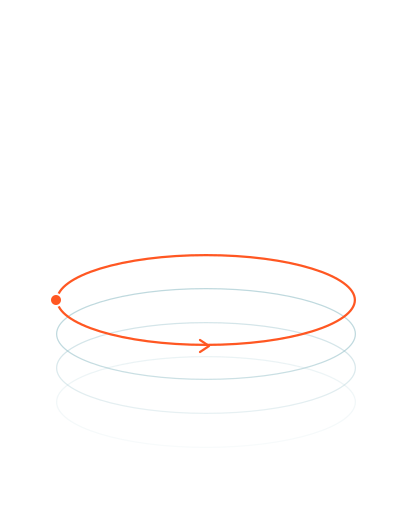
Regression-tested changes
Chew, the learning layer, tests each fix on your past incidents before review.
Questions SRE teams ask
What is an AI SRE agent fleet?
A set of AI SRE agents, each built for one kind of alert in your environment. Wild Moose drafts them from your monitors, and you roll them out from drafted to live.
How accurate are Wild Moose’s AI SRE agents?
Wild Moose scores each agent on real production alerts your team already resolved, and you can open any test to see why it passed or failed.
How do you evaluate AI SRE agents?
Wild Moose evaluates its agents on incidents your engineers already resolved, so you do not need to build an evaluation dataset. Your team can review, correct or add cases.
How does Wild Moose test a change to an agent?
Wild Moose reruns the agent on past incidents your team resolved and checks that no case gets worse before you review the change.
Can a change to an AI SRE agent go live without review?
No. A change to a Wild Moose agent’s logic or configuration arrives as a pull request and goes live only after your team merges it.
What happens when an AI SRE agent gets an answer wrong?
Engineers rate the Wild Moose investigation Correct, Halfway or Wrong in Slack, and Wild Moose proposes a tested change to that agent.
Can engineers edit Wild Moose agents themselves?
Yes, engineers can edit Wild Moose agents, because each agent is version-controlled as code. Edits go through the same tests and review.
How is an AI SRE different from an incident response bot?
An incident response bot routes alerts and posts updates. An AI SRE like Wild Moose investigates the alert: it checks your logs, metrics and recent changes, and reports a likely cause in Slack.
What is Chew?
Chew is Wild Moose’s learning layer. It improves the agents, and every change it proposes is tested and reviewed.